Linguistic and cultural unity
Arabic is the official, unifying language, yet the spoken dialects — Moroccan, Egyptian, Levantine, Gulf — differ deeply from one another.
23 countries in one book: an introduction, a chapter per country with photos, history, cuisine and travel guide, and a conclusion on the Arab world as a single country.
This e-book grew out of the interactive Atlas of the Arab World: it gathers in one volume the 23 countries of the Arab League (plus Palestine and Western Sahara), read as if they were a single large country.
The five macro-regions (Maghreb, Nile Valley, Mashreq, Gulf, Horn of Africa) are your compass through the chapters.
Every chapter follows the same structure: key facts, economy, nature, history, population, four places to see, three specialities to taste and a three-day mini itinerary.
The final tables compare the Arab world with the European Union, the United States, China and India: strengths, weaknesses and outlook.
Contents entries are clickable and every recipe links to its full page in the app, with a video recipe.
The “Print / Save PDF” button gives you a laid-out file with one chapter per page; animations disappear automatically.
Sources and licences: demographic and economic data from the World Bank and official national sources; photographs from Wikipedia / Wikimedia Commons under Creative Commons licences (authors credited on the original pages); original texts by the Atlas of the Arab World.
The Atlas groups the 22 Arab League states, Palestine and Western Sahara into five geographic macro-regions, from the Atlantic to the Gulf and from the Mediterranean to the Indian Ocean. The Arabic language and a shared history unite them; dialects, landscapes, religions and resources set them apart.
 Mauritania
 Morocco
 Western Sahara
 Algeria
 Tunisia
 Libya
 Egypt
 Sudan
 Palestine
 Jordan
 Lebanon
 Syria
 Iraq
 Saudi Arabia
 Yemen
 Oman
 UAE
 Qatar
 Bahrain
 Kuwait
 Somalia
 Djibouti
 Comoros
Arabic is the official, unifying language, yet the spoken dialects — Moroccan, Egyptian, Levantine, Gulf — differ deeply from one another.
The Arab world is overwhelmingly Muslim (Sunni and Shia) but is home to ancient and significant Christian and Jewish minorities. It is not the Islamic world: Turkey, Iran and Indonesia are Muslim but not Arab.
The Gulf concentrates huge oil and natural-gas reserves; elsewhere the challenge is water, scarce in lands dominated by the Sahara and the Arabian Desert.
Africa's largest country by area. Its north opens onto the Mediterranean with green plains, while the Sahara covers most of the south, framed by the Tell and Saharan Atlas.
Hydrocarbons (oil and natural gas) and northern agriculture.
Became a French province in 1830 before gaining independence in 1962 after a long war of liberation.
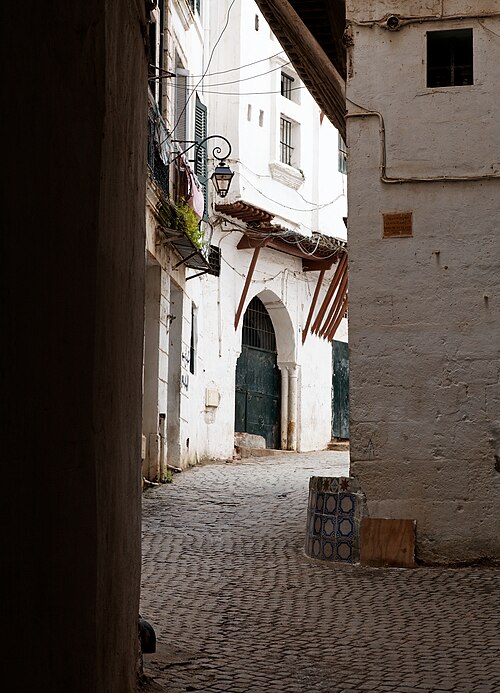
Ottoman-era old town cascading down to the bay.
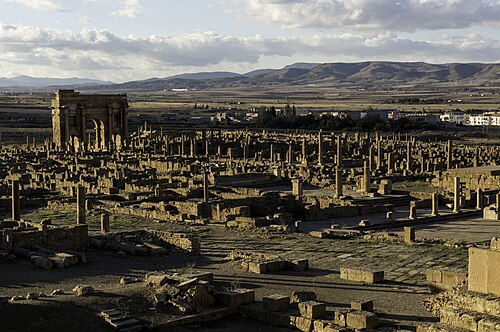
A complete Roman city with a perfect grid plan.
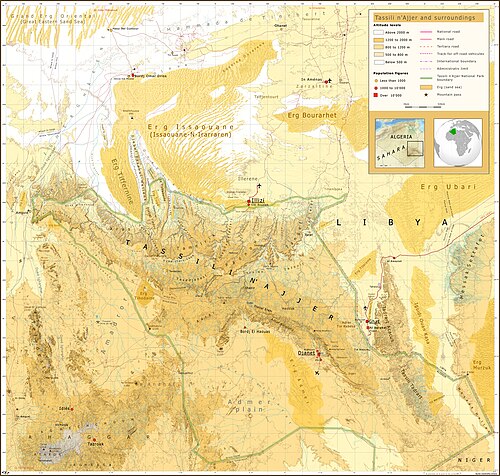
10,000-year-old rock art amid Saharan rock forests.
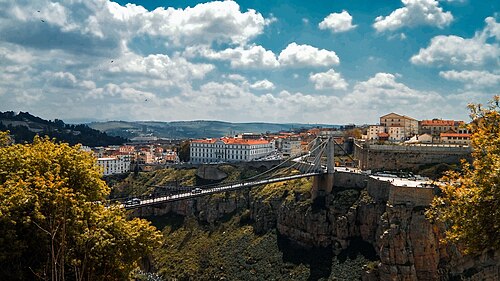
City of hanging bridges over the Rhumel gorge.
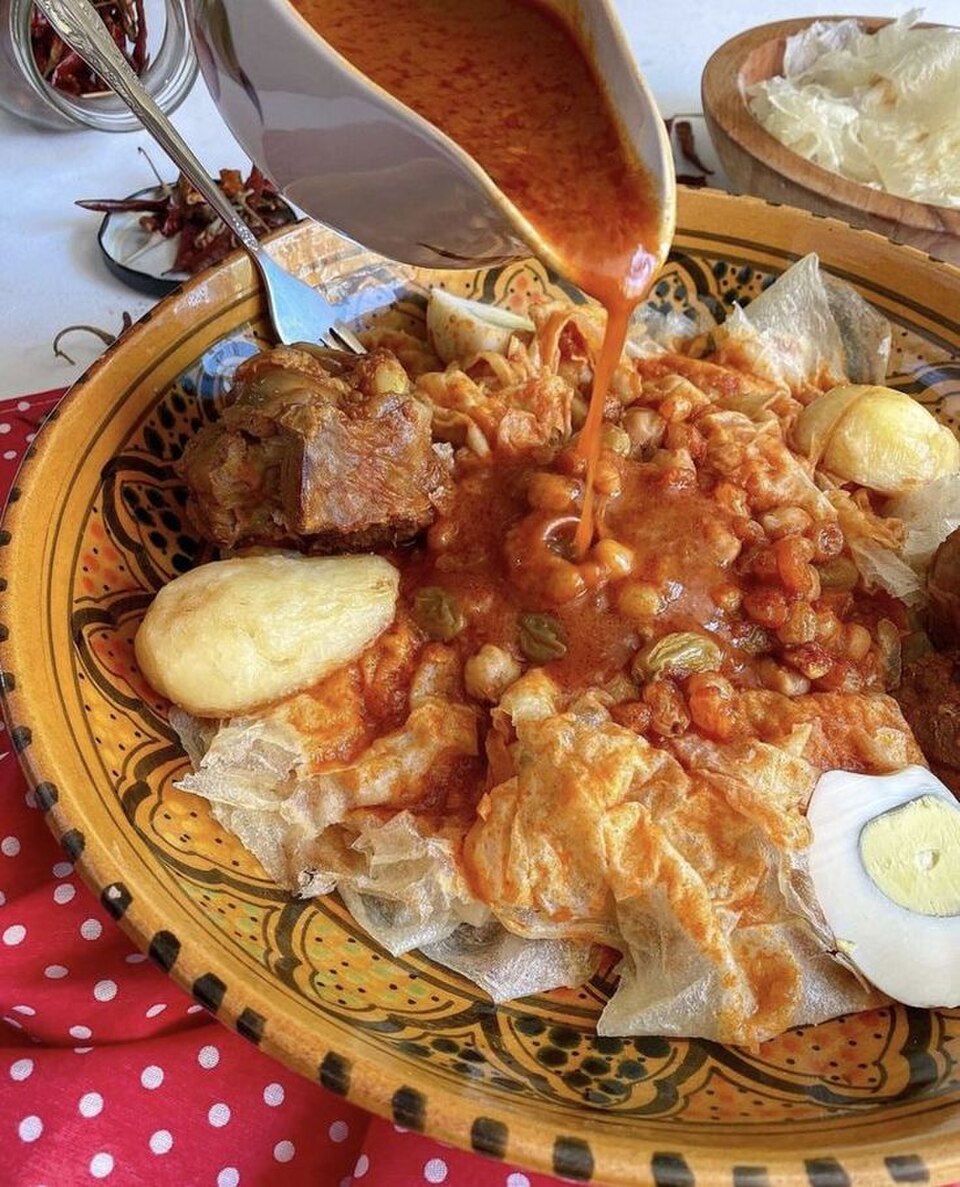
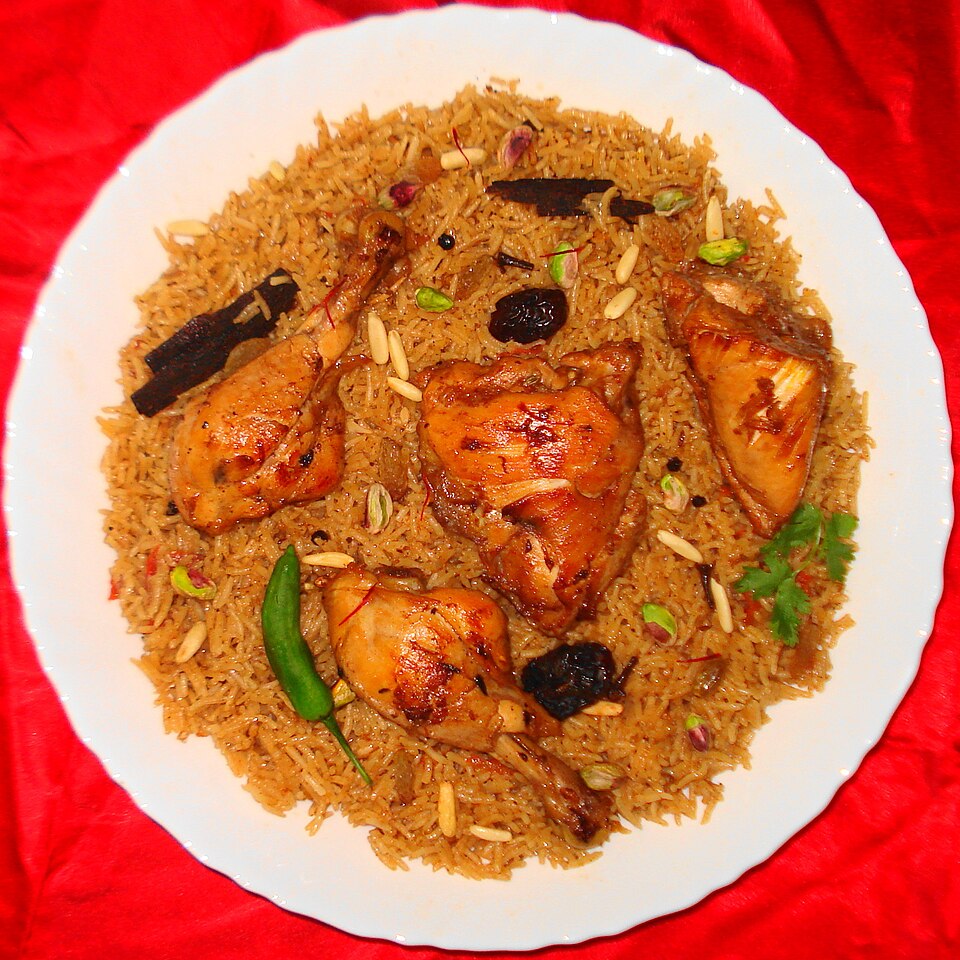
Torn flatbread soaked in a red lamb and chickpea stew.
Ingredients: Semolina, Lamb, Chickpeas, Tomato, Ras el hanout
→ See the recipe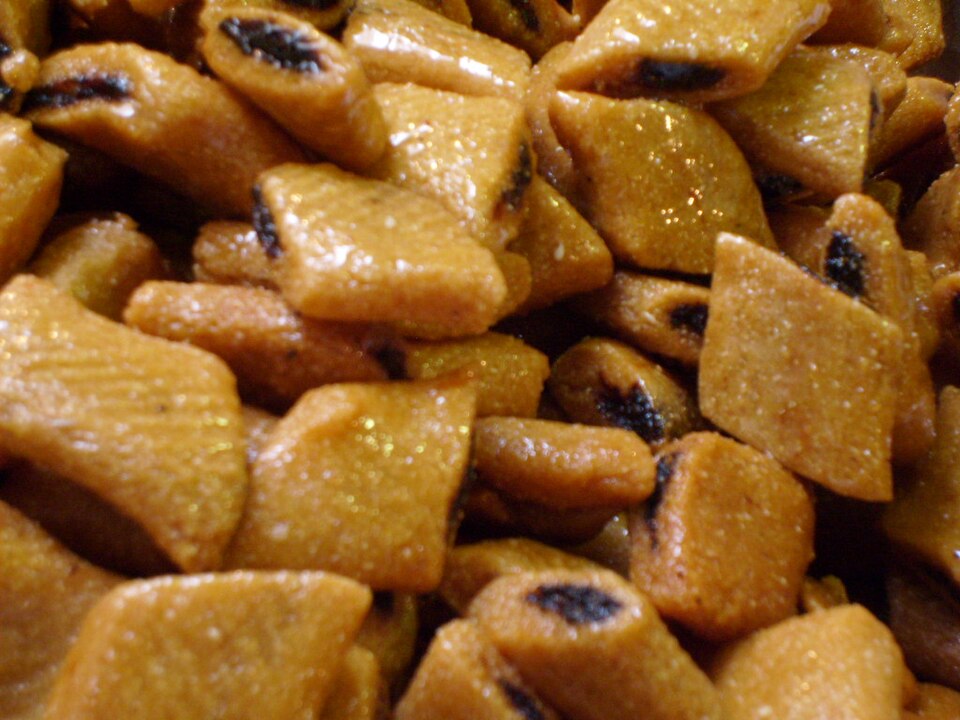
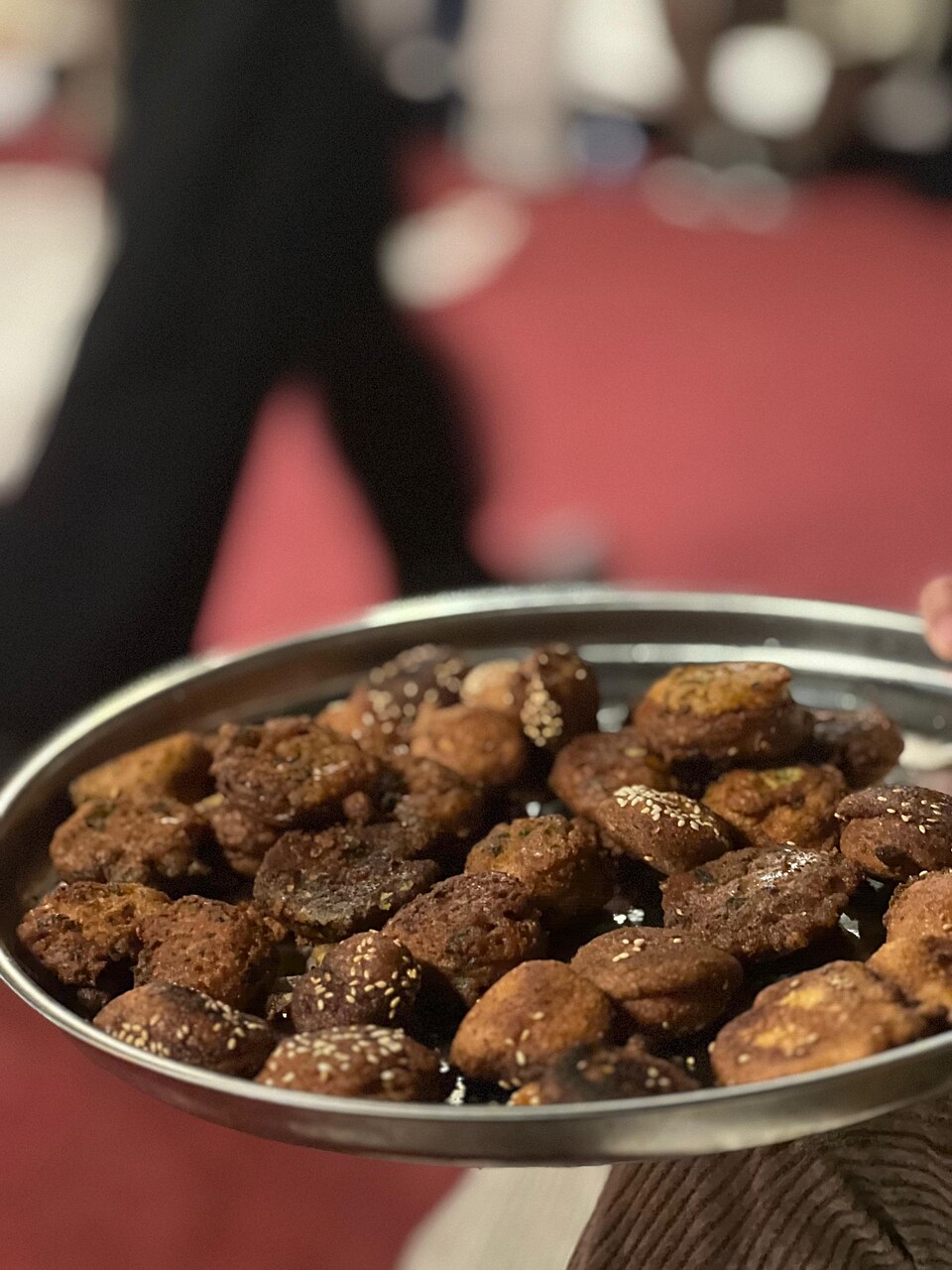
Semolina diamonds stuffed with dates and dipped in honey.
Ingredients: Semolina, Dates, Honey, Olive oil, Cinnamon
→ See the recipe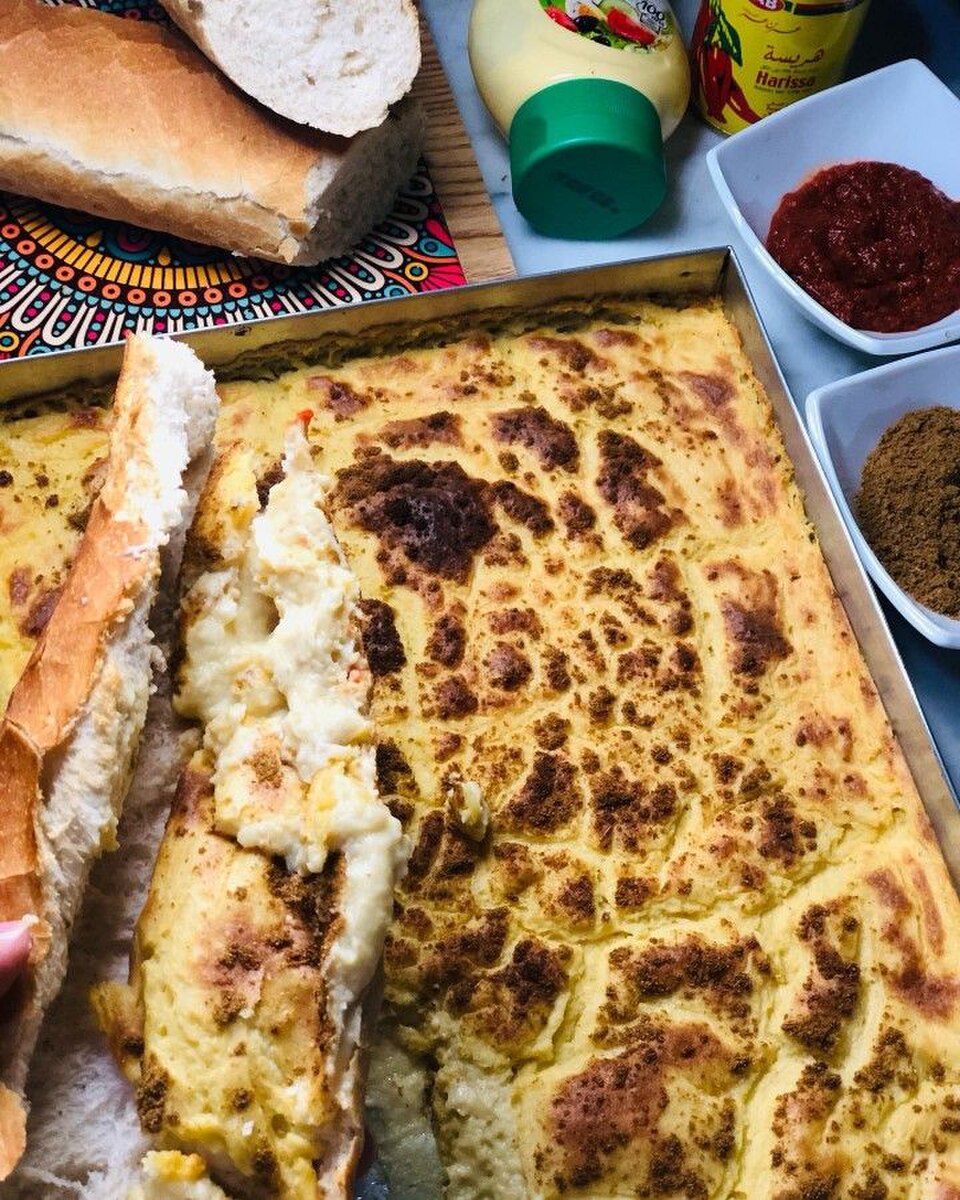
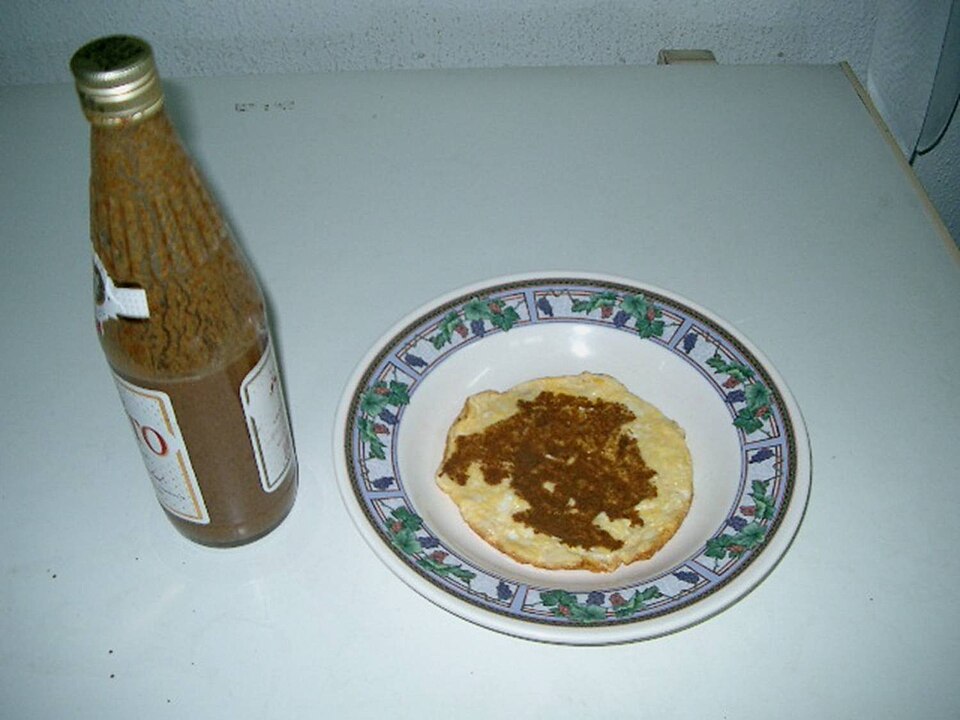
Baked chickpea-flour flan served hot in bread with cumin and harissa, the pride of Oran.
Ingredients: Chickpea flour, Eggs, Oil, Cumin, Bread, Harissa
→ See the recipeApril – June, September – October (Sahara: Nov – Feb)
Domestic flights to the south, trains and buses across the north, taxis in cities.
Visa must be arranged in advance; a licensed guide is required for Sahara trips.
Tunisia · Libya · NE · ML · Mauritania · Western Sahara · Morocco
Unlock the full e-book: 22 more items, print and PDF included. The unlock stays on this device and you get a restore link by email.
Secure payment with Stripe · card, Google Pay, Apple Pay, PayPal